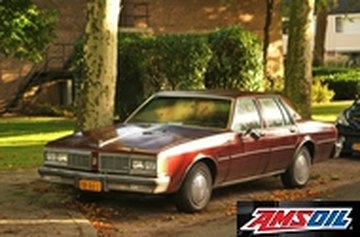
Lubrication Maintenance for the 1980 Oldsmobile 88 5.7L Diesel
Maintaining a diesel engine requires a disciplined approach to fluid management and routine inspections. For the 1980 Oldsmobile 88 equipped with the 5.7L diesel engine, consistent attention to lubrication quality and system integrity is essential for long-term operation. Because diesel engines operate under different thermal and mechanical stresses than gasoline counterparts, following a structured maintenance plan helps ensure the engine remains in optimal condition.
Monitoring Fluid Integrity and Condition
One of the most effective ways to monitor the health of the 5.7L diesel engine is through regular observation of the lubricant itself. The appearance and consistency of the oil can provide important clues regarding the internal state of the engine. When performing routine checks, it is useful to look for any significant changes in the fluid's color or texture.
If the oil appears excessively dark or contains visible particulates, it may indicate that the lubricant has reached the end of its effective service life or that the filtration system requires attention. Furthermore, any unusual odors or a milky appearance in the oil can be associated with various internal conditions and should be investigated promptly. Rather than attempting to diagnose a specific mechanical failure based on these visual cues alone, owners should treat such observations as indicators that a more thorough professional inspection is warranted.
Systematic Inspection of Seals and Connections
As vehicles age, the materials used in various gaskets and seals can undergo changes due to heat cycles and time. For an owner of a 1980 Oldsmobile 88, performing periodic visual inspections of the engine compartment is a practical way to identify potential issues before they escalate. Focus on looking for signs of seepage or active leakage around sealing surfaces.
When conducting these inspections, consider the following areas:
- Sealing Surfaces: Check for any evidence of fluid weeping from where different engine components meet.
- Hoses and Connections: If present, inspect various hoses for signs of cracking, softening, or swelling. Ensure that connections remain tight and free of residue.
- Electrical Integrity: Inspect accessible wiring and electrical connectors for signs of fraying, corrosion, or loose seating, as these can impact overall engine management.
- External Components: Look for any accumulation of grime or fluid that might suggest a slow leak from an upper or lower component.
Identifying these signs early allows for planned maintenance rather than reactive repairs. If you notice any evidence of fluid loss, it is important to determine if the loss is consistent and whether it correlates with specific operating conditions.
Managing Long-Term Engine Health
Effective ownership of a classic diesel vehicle involves moving beyond simple part replacement and toward a strategy based on documented history. If you are currently managing an older 1980 Oldsmobile 88 where the service history is incomplete, establishing a maintenance baseline is a logical first step. This involves performing a comprehensive inspection of all fluids, filters, and belts to determine their current state.
Once a baseline is established, prioritize maintenance based on the actual condition of the components rather than just the age of the vehicle. For example, an engine that has been kept in a climate-controlled environment may have different needs than one exposed to more extreme conditions. Keeping detailed records of every oil change, filter replacement, and observed leak helps in identifying patterns over time. This documentation is invaluable when deciding whether a component requires immediate attention or if it can continue to operate safely for a longer period.
Observing Potential Operational Changes
Beyond visual inspections, paying close attention to how the engine behaves during operation can provide vital information. Any new or unusual mechanical noises should be noted immediately. While sounds alone cannot pinpoint a specific failed component, they are often the first indication that something in the lubrication or mechanical system requires investigation.
Additionally, keep an eye on any changes in exhaust characteristics. While diesel engines naturally produce different exhaust profiles than gasoline engines, sudden or significant changes in smoke color or volume can be associated with various engine states and should not be ignored. Similarly, if you notice a change in how the vehicle consumes fluids between service intervals, it is a clear sign that the lubrication system or its related seals should be examined.
Practical Approaches to Preventive Care
Preventive maintenance for this 5.7L diesel engine is most effective when it is integrated into a regular schedule. This includes not only changing the oil but also ensuring that all auxiliary systems are functioning correctly. If the vehicle is equipped with various belts, inspect them for signs of glazing, cracking, or fraying. A belt that shows signs of deterioration can lead to issues with accessory operation if it fails.
Regularly checking the air filtration system is also a key component of diesel engine care. Ensuring that the engine receives clean, unobstructed airflow helps maintain efficient combustion and reduces the amount of debris that could potentially enter the internal components. By combining these small, routine tasks with more thorough periodic inspections, you can help manage the aging process of the vehicle effectively.
Buying Engine Oil for your 1980 Oldsmobile 88 5.7L
When it is time to replenish the lubrication in your engine, accuracy in selection is paramount. Because different formulations offer different properties, you should always match the lubricant to the specific application information provided on this webpage.
Before making a purchase, consider the following steps to ensure you are getting the correct product:
- Verify Application Data: Always refer back to the vehicle-specific viscosity and requirements listed in the technical data section above. Do not rely on general knowledge or assumptions based on the engine's age.
- Check Product Labeling: Ensure that the oil you purchase meets the appropriate API certifications for your needs.
- Evaluate Formulations: Depending on your specific maintenance goals and the current condition of your engine, you may choose between conventional, synthetic blend, or full synthetic oils. Some high-mileage formulations also include seal-conditioning additives which may be relevant for older engines showing signs of seepage.
- Avoid Guesswork: Never assume a certain viscosity is correct based on similar models; only use the information explicitly provided for this 1980 Oldsmobile 88 5.7L Diesel.
By following the application-specific guidance displayed on this page, you can ensure that your engine receives the lubrication necessary to maintain its operational integrity.